Local compliance support for pharmaceutical and biotech companies working in Spain, connecting Spanish medicines law and the Farmaindustria Code of Good Practice to your global governance, with a named business partner for Spain.
For international pharmaceutical and biotech companies with Spanish activities, regional teams covering Iberia, and companies preparing a Spanish launch. Start from the activities you plan in Spain and whether your company has signed up to the Farmaindustria Code.
The practical challenge in Spain
Spain combines statutory rules on incentives, advertising and hospitality with a detailed industry code and its own supervisory bodies. Regional health authorities also play a role: advertising material aimed at HCPs is notified to the relevant Autonomous Community. Global processes need to reflect both the national and the regional steps.
From requirements to action
How Eunomia can help
With local input from our Spain business partner, we can map your Spanish activities against RDL 1/2015, RD 1416/1994 and the Farmaindustria Code, then build the result into your SOPs, review routes and disclosure process. Outputs can include an activity register, a responsibility matrix and a prioritised action plan. Where Spanish legal advice is required, we identify that need before delivery.
Pharmaceutical compliance in Spain: scope of support
01
Local code interpretation and queries
02
HCP and patient organisation engagement review
03
Local transparency and disclosure requirements
04
Promotional and non-promotional material review
05
Market-entry compliance assessment
06
Responsible person and local representative support
What this gives you
Spain requirements built into your global processes
A named local partner for questions and escalation
Local support without unnecessary fixed headcount
The rules in Spain
What shapes compliance in Spain…
A short guide to the main legal and self-regulatory frameworks. Each summary links to its official source below.
Incentives to healthcare professionals
Article 4.6 of Real Decreto Legislativo 1/2015 (the Ley de garantías y uso racional de los medicamentos) prohibits anyone with an interest in producing or marketing medicines from directly or indirectly offering incentives, bonuses, discounts, premiums or gifts to healthcare professionals involved in prescribing, dispensing or administering medicines, or to their relatives and cohabitants. A narrow exception covers early-payment and volume discounts shown on the invoice.
Advertising to healthcare professionals
Under Article 78 of RDL 1/2015, information and promotion aimed at healthcare professionals is subject to control by the health authorities and must match the information authorised by the AEMPS and the summary of product characteristics. Real Decreto 1416/1994 sets out the detail, including the content of HCP advertising (Article 10) and notification of HCP advertising material to the relevant Autonomous Community (Article 25).
Benefits and hospitality
RD 1416/1994 prohibits pecuniary or in-kind benefits to prescribers or dispensers, except those of insignificant value (Article 17). Hospitality at scientific events must be moderate, secondary to the main purpose of the meeting and not extended to people other than healthcare professionals (Article 18). Healthcare professionals may not request or accept prohibited incentives (Article 19).
Advertising to the public
Article 80 of RDL 1/2015 limits public advertising to medicines that are not publicly funded, not subject to prescription and not psychotropic or narcotic, and bans premiums, gifts and prizes linked to it. Such advertising does not need prior authorisation, but the health authorities check it.
The Farmaindustria Code of Good Practice
Farmaindustria’s Código de Buenas Prácticas de la Industria Farmacéutica covers the promotion of prescription medicines and interactions with healthcare professionals, healthcare organisations and patient organisations. The current edition was ratified in June 2025. It is supervised by the Unidad de Supervisión Deontológica, the Comisión Deontológica and the AUTOCONTROL Jury.
Transparency and disclosure
Companies that have signed up to the Farmaindustria Code publish, each June on their own websites, the transfers of value they made to healthcare professionals and organisations in the previous year. Since June 2018, all collaborations except R&D have been published individually. This is a voluntary industry commitment rather than a legal duty.
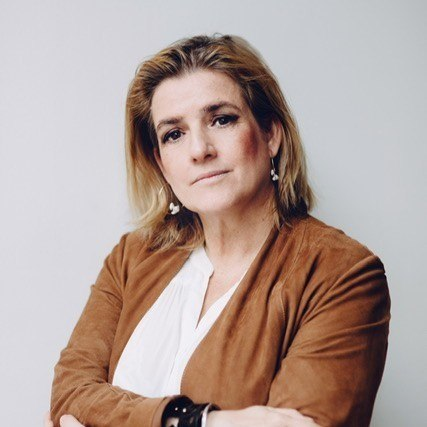
Maria is Eunomia’s Global Compliance Business Partner for Spain, providing local context for Spanish compliance questions within your global operating model.
This overview is informational and does not constitute legal advice. Scope and application should be confirmed for the organisation, market, activity and counterparty in question. Sources checked September 2026.
Does the Farmaindustria Code apply to our company?
The Code binds companies that have signed up to it. Spanish medicines law, including RDL 1/2015 and RD 1416/1994, applies regardless. We confirm your position and activities at the start of each engagement.
When are Spanish transfers of value published?
Companies bound by the Farmaindustria Code publish each June, on their own websites, the transfers of value made in the previous year. All collaborations except R&D are published individually.
Do regional authorities have a role in Spain?
Yes. Under Article 25 of RD 1416/1994, advertising material aimed at healthcare professionals is notified to the relevant Autonomous Community. Build that step into your review and approval workflow.
Can Eunomia provide a local Spanish compliance reviewer?
Eunomia can scope local Spanish review support through its Spain business partner for materials, meetings and HCP engagements against the relevant Spanish rules and Farmaindustria Code where applicable. The engagement must define what is reviewed, who holds final company approval authority and whether any regional notification or legal advice is required. Local review support is not a regulatory appointment.
Tell us what is on your desk.
We will listen, ask a few questions and recommend the right scope—without obligation or pressure.